

Saks Global, the parent company of Saks Fifth Avenue, Saks OFF 5th, Bergdorf Goodman, and the recently acquired Neiman Marcus, is preparing to file for Chapter 11 bankruptcy following a missed interest payment exceeding $100 million. While the company initially denied financial distress, reports now indicate ongoing discussions with creditors to address mounting debt.
A spokesperson for Saks Global stated the company is “exploring all potential paths to secure a strong and stable future,” a move that coincides with plans to close nine Saks OFF 5th stores.
The company’s efforts to restructure come as part of a broader attempt to stabilize operations while navigating complex financial obligations.
History and Structure of Saks Global
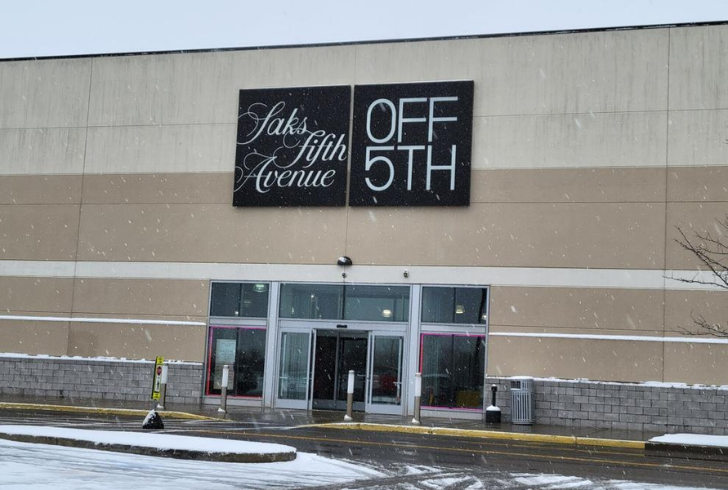
Saks Global emerged after Hudson’s Bay Company (HBC) acquired Neiman Marcus Group in 2024. The merger created a new parent entity to oversee several luxury brands, including Saks Fifth Avenue and Bergdorf Goodman.
The move was designed to consolidate operations and expand market reach, but the additional debt from the acquisition appears to have strained the company’s finances.
The first Saks Fifth Avenue store opened in New York City on September 15, 1924, at 611 Fifth Avenue. At the time, the area was primarily residential, making the store a pioneering presence in the city’s retail scene.
The brand traces its origins to Washington D.C., where the original Saks & Co. began in 1867. The flagship store in Manhattan remains operational, and there are no indications it will close amid the current restructuring.
Chapter 11 Bankruptcy and Its Implications
Filing for Chapter 11 allows Saks Global to reorganize its debts while continuing to operate. This legal process provides the company with an automatic stay, pausing most collection activities from creditors.
Day-to-day store operations would largely remain intact, allowing Saks Fifth Avenue, Bergdorf Goodman, and other stores to serve customers while the company negotiates a long-term plan to manage its debt.
As debtor in possession, Saks Global would retain control over its assets and operational decisions. However, major strategic moves outside normal business activities, such as significant acquisitions or sales, would require court approval. The process provides breathing room to restructure finances without immediate liquidation.
The acquisition of Neiman Marcus is believed to have contributed significantly to the current debt situation. The holding company took on extensive financial obligations, leading to late payments to vendors and heightened financial scrutiny from investors.
Asset Sales and Strategic Moves
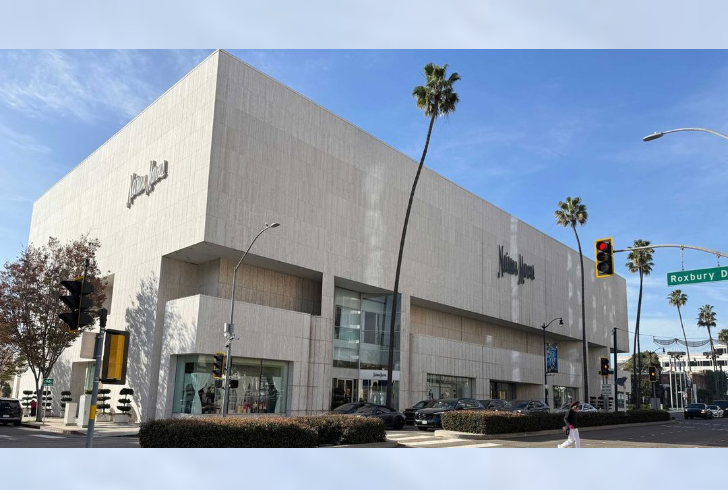
In an effort to manage debt, Saks Global has sold off certain assets, including the land beneath the Neiman Marcus store in Beverly Hills to Ashkenazy Acquisition Corp. The sale allows Saks Global to raise capital while maintaining store operations under a long-term lease. These strategic moves aim to support financial stability as the company works on a broader reorganization plan.
While store closures and asset sales remain possible, the immediate focus is maintaining operations and ensuring that the brand continues to serve customers. The long-term strategy will likely involve careful evaluation of store performance and financial sustainability across its portfolio.
Looking Ahead
Saks Global’s move toward Chapter 11 highlights the challenges luxury retailers face when managing large-scale acquisitions and high levels of debt. The process is designed to keep the company operational while developing a plan to satisfy creditors over time.
For customers and investors, the key takeaway is that Saks Fifth Avenue and other stores under Saks Global’s management will continue operating in the near term.
The company’s restructuring efforts aim to provide a foundation for stability and long-term viability in a competitive luxury retail market.