

Carbon markets sit at the center of modern climate strategy, blending environmental responsibility with financial systems. At their core, these markets allow emissions to carry a price tag.
Companies, governments, and even individuals can buy and sell carbon credits to balance out greenhouse gas output. That simple idea has grown into a global network influencing policy, investment, and corporate behavior.
What Defines a Carbon Market?
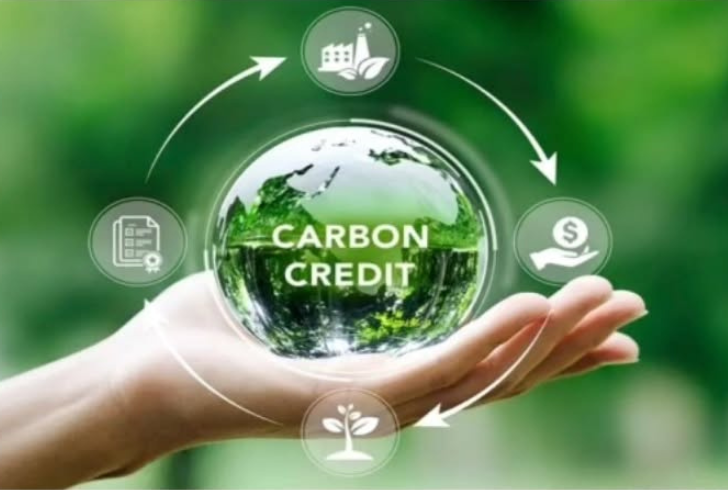
A carbon market operates as a structured exchange where carbon credits are traded. Each credit typically represents one metric ton of carbon dioxide or its equivalent. Organizations that emit less than their allowed limit can sell excess credits, while those exceeding limits must purchase them.
Two main structures shape these markets:
Compliance systems, created and regulated by governments, set strict emission caps.
Voluntary platforms, where participants offset emissions by choice rather than obligation.
As carbon trading expands worldwide, it continues to shape both environmental strategies and financial decisions. The concept has evolved beyond policy into a recognized commodity system, where carbon is tracked and traded with the same precision as oil or metals.
How Carbon Trading Actually Functions
Carbon markets are closely tied to cap-and-trade systems. These programs set a maximum level of emissions and distribute allowances among participants. Governments or coalitions assign these limits to industries, companies, or even entire countries.
When emissions stay below the assigned cap, unused credits become tradable assets. When emissions exceed limits, additional credits must be purchased.
Carbon credits come from two main types of activities:
1. Emission reduction projects – These include renewable energy installations like solar farms or wind power facilities that lower overall emissions.
2. Carbon removal initiatives – These involve capturing or storing carbon through methods such as reforestation or advanced carbon capture technology.
Participation goes beyond large-scale industries. Businesses, nonprofits, and individuals also enter these markets. Some aim to offset their carbon footprint. Others meet sustainability commitments or explore investment opportunities. According to the United Nations, carbon is now treated like a standard tradable commodity.
Compliance vs. Voluntary Carbon Markets
Carbon markets fall into two primary categories, each with distinct characteristics.
Compliance Markets
Governments or multi-national bodies establish compliance markets. These systems regulate supply and enforce trading rules. Participants must meet emission limits or face penalties.
There are roughly 30 compliance markets globally. By 2021, their total value reached around $850 billion, making them the dominant force in carbon trading.
Voluntary Markets
Voluntary markets operate without mandatory participation. Companies and individuals choose to purchase credits to offset emissions. These credits often come from private projects or government-backed initiatives verified under carbon standards.
The voluntary market remains much smaller, valued between $1 billion and $2 billion. Still, it continues to grow as more organizations set sustainability goals.
Why Carbon Markets Matter
Carbon markets aim to reduce emissions by attaching a financial cost to pollution. This approach encourages companies to cut emissions where possible and rewards those that succeed.
The World Bank highlights a key advantage: these markets help mobilize funding and lower the cost of transitioning to low-carbon systems. They also allow countries to meet commitments under international agreements like the Paris Agreement.
Beyond reducing emissions, carbon markets also drive wider environmental and economic benefits by supporting the growth of renewable energy, creating green jobs, and encouraging increased investment in sustainable technologies.
These systems also encourage innovation by making emission reduction financially attractive.
Criticism and Ongoing Debate
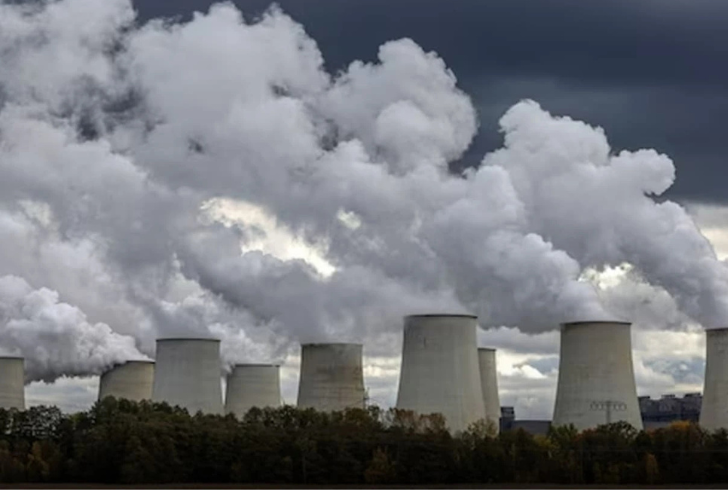
Despite their potential, carbon markets face significant criticism from multiple perspectives.
Some critics argue that mandatory programs interfere with business operations and could lead to job losses. Others claim the systems move too slowly to address urgent climate challenges.
Voluntary carbon markets receive the most scrutiny. Concerns often focus on transparency, effectiveness, and accountability.
Key Concerns Raised by Experts
The Center for American Progress reported in 2022 that many carbon offsets fail to deliver the reductions they promise. It also warned that companies may use credits to appear environmentally responsible without making meaningful changes.
A 2023 report from the World Economic Forum (WEF) highlighted limited transparency in voluntary markets. It pointed out that a significant portion of funds may not reach the communities or projects that need them most. A related headline from The Wall Street Journal stated: “Middlemen Snag Carbon-Credit Cash Aimed at Peruvian Amazon.”
The WEF also stressed that carbon credits must meet strict criteria. They should represent real, additional, and permanent emission reductions without causing negative side effects.
Consulting firm Deloitte noted growing skepticism among investors. Its 2023 report stated that many carbon offsets overstate their impact, making it harder to distinguish high-quality credits from weaker ones.
In response to these concerns, the U.S. Commodity Futures Trading Commission (CFTC) launched an Environmental Fraud Task Force in 2023. The goal is to address fraud, manipulation, and misleading environmental claims tied to carbon credits and ESG investments.
Future Growth and Market Trends
Carbon markets are expected to expand significantly over the coming decades, though forecasts vary.
A 2023 report by Morgan Stanley projected significant growth in the voluntary carbon market, estimating it could expand from $2 billion in 2022 to around $100 billion by 2030 and reach $250 billion by 2050.
Boston Consulting Group offered a more conservative estimate, predicting a $10 billion to $40 billion market by 2030. However, it also pointed to strong demand growth driven by corporate climate commitments.
Several factors are driving this expansion, including a growing number of companies committing to net-zero targets, increasing demand for verified carbon offsets, and ongoing improvements in monitoring, reporting, and verification systems.
Meanwhile, compliance markets continue to grow as more countries adopt cap-and-trade systems or expand coverage across industries.
Real-World Carbon Market Examples
Carbon markets are already active across major economies, with both compliance and voluntary systems in place.
Compliance Market Examples
The European Union launched its Emissions Trading System in 2005. It remains one of the largest carbon markets globally. The system covers all EU member states along with Iceland, Liechtenstein, and Norway. It regulates emissions from around 10,000 facilities, including energy producers, manufacturers, and airlines. In 2024, maritime transport was added to its scope.
China introduced its national emissions trading system in 2021. It is considered the largest in terms of emissions covered. Initially focused on around 2,000 companies in the power sector, it is expected to expand into other industries.
The United States does not operate a nationwide carbon market. However, regional programs exist. California and Washington run their own systems, along with a coalition of 10 Eastern states. California’s program gradually reduces the number of available credits to push companies toward lower emissions.
Voluntary Market Platforms
Voluntary trading platforms also play a role in carbon markets. Notable exchanges include Xpansiv CBL in the United States and ACX (formerly AirCarbon Exchange) in Singapore.
The United Nations offers a Carbon Offset Platform, allowing organizations and individuals to purchase credits to offset emissions or support climate action projects.
Do Carbon Markets Deliver Results?
Carbon markets show measurable impact, though results vary depending on design and implementation.
A 2017 study by researchers from the Massachusetts Institute of Technology and Harvard University found that well-designed cap-and-trade systems can achieve emission reduction goals at a reasonable cost. However, effectiveness depends heavily on system structure and economic conditions.
The study also noted that carbon markets alone cannot solve climate change. They must work alongside other policies and innovations.
Investment Potential and Risks

Carbon markets attract investors looking to participate in environmental finance. While individuals cannot directly access many credit types, there are alternative options.
Some investors gain exposure through brokers specializing in voluntary carbon credits. Others invest in exchange-traded funds (ETFs) tied to carbon credit futures.
Still, the market carries notable risks:
1. Limited regulation in voluntary markets
2. Lack of transparency in pricing and impact
3. Competition with experienced institutional investors
These factors make carbon trading less predictable than traditional investments.
Carbon Tax vs. Credits
Carbon markets are not the only way to control emissions. In addition, governments use carbon taxes as another policy tool to reduce greenhouse gas output.
A carbon tax requires polluters to pay based on the amount of emissions produced. Unlike carbon markets, there is no trading system. Companies cannot offset emissions by purchasing credits. Instead, they must pay directly for pollution.
Both approaches aim to reduce emissions, though they operate through different mechanisms.
Carbon markets help cut emissions by putting a price on carbon, encouraging cleaner practices and sustainable growth. Compliance markets lead in scale, while voluntary markets are growing with corporate climate goals.
As oversight and standards improve, carbon credits continue to balance environmental responsibility with economic priorities.