

Sports trading cards are no longer just childhood collectibles. They’ve become part of a growing investment market, with demand rising sharply since the pandemic and rare cards reaching multi-million-dollar values.
Kevin O’Leary of Shark Tank has been one of the more visible figures in this space, openly sharing his investments and showcasing select cards at events like the Oscars.
The value of these cards is based on more than nostalgia. Rarity, condition, and authentication are essential factors. Jake Kirkham of MGC notes that grading includes a close inspection of edges, corners, centering, and surface condition.
These factors determine how a card is valued. Physical cards also provide a tangible connection to a player’s career, something digital assets often struggle to replicate.
Many of the most valuable cards are held privately, while others appear at auctions that draw strong competition. Kirkham highlights that grading and scarcity continue to drive investor demand.
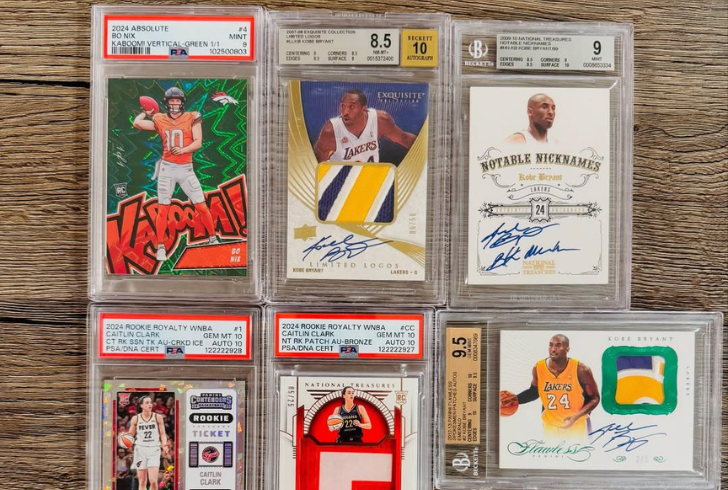
The market also attracts younger collectors who turn their passion into business ventures. Jackson Page, one of the world’s top snooker players, has opened a trading card and collectibles shop in Brynmawr, South Wales. Page credits Pokémon cards as his entry into collecting and encourages newcomers to start small, focusing on authenticity and condition.
From football and basketball to Pokémon and snooker, trading cards cover a surprisingly wide collecting universe. Each card carries a small piece of history, turning players and moments into something physical and tradable. Experts, journalists, and collectors all influence how the market evolves, while trading platforms make exchanges more accessible and secure.
What stands out is how value has shifted. Cards are increasingly viewed not just as memorabilia but as assets with potential appreciation. Supported by grading services, secondary markets, and the excitement of rare finds, the hobby has grown into a hybrid space between collecting and investing.