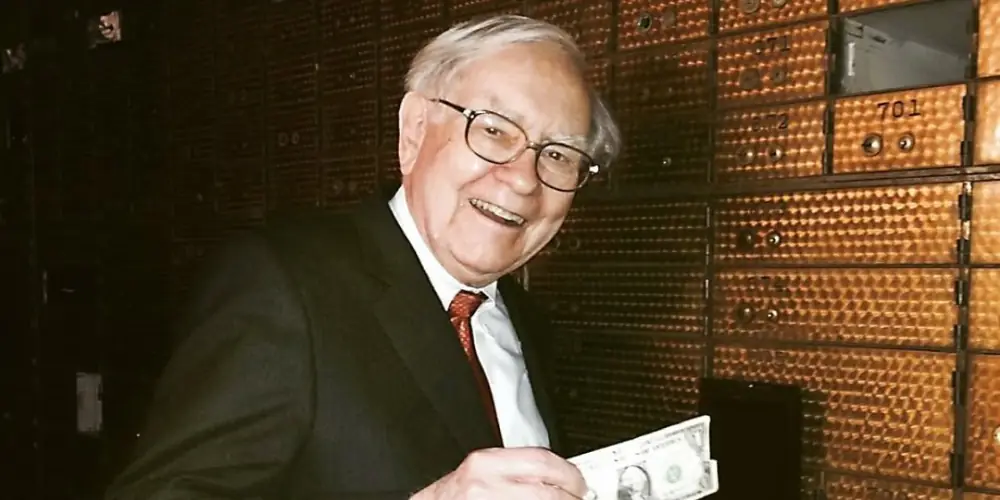
Warren Buffett’s departure as CEO of Berkshire Hathaway after 60 years marks the end of an era. While many tributes focus on his legendary investment record, there is much to learn from the origins of Berkshire Hathaway and what Buffett himself called his “biggest mistake.”
Understanding these moments provides actionable insights into building wealth, managing risk, and making strategic financial choices.
The Early Berkshire Years
In 1967, Buffett faced a market that challenged the deep-value principles he had learned from Ben Graham.
At the same time, an unusual confrontation changed the course of his career. The CEO of a failing textile manufacturer tried to adjust the agreed buyout price for Buffett’s shares by 12.5 cents. Frustrated, Buffett purchased the entire company and replaced its management team.

This textile company, Berkshire Hathaway, soon acquired two modest insurance firms in Omaha: National Indemnity Company and National Fire & Marine. At the end of the Buffett partnership, he was left with a struggling textile business and two small insurance operations—a humble foundation that eventually became an empire.
Owning No-Moat Businesses
In his early days, Buffett practiced “cigar butt” investing—buying companies that had little left to give. These were short-term plays, not engines for long-term growth. Berkshire’s textile operations reflected this approach. The company sold mills, repurchased shares, and by chance, Buffett ended up owning the entire firm.
Both textiles and insurance operate as price-takers, controlled by market forces. Price-takers can only manage costs; price-makers set the rules. That difference proved critical. Textiles demanded constant capital; insurance provided a unique advantage: float.
Insurance float—the money held between premiums and claims—created a pool of investable capital. Handled well, it became a profit engine. Buffett quickly saw the contrast: textiles drained money; insurance grew it.
He shut the textile operations in 1985 and later called the acquisition a $200 billion mistake.
Lessons From Buffett’s Biggest Mistake
1. Build Your Own Float
Even small companies can wield massive influence with smart capital allocation. National Indemnity’s float grew from $19.4 million at purchase to $169 billion by 2023.
For individuals, the takeaway is simple: cultivate a personal float. Savings, cash-flowing investments, or other liquid assets give freedom, strategic flexibility, and a path to financial independence.
2. Focus on Cash In and Cash Out
Financial stability starts with managing cash flow. Many rely on a single income stream while incurring obligations that limit flexibility, such as mortgages, car loans, or credit card debt.
Buffett’s textile mistake illustrates the cost of owning assets that don’t produce cash flow. Similarly, overextending personal finances reduces the ability to invest and build wealth. Prioritize allocating resources to assets that increase cash flow rather than funding liabilities. Controlling inflows and outflows of capital is a foundational step toward financial independence.
3. Distinguish Between Anchors and Enablers
Assets aren’t equal in their impact. Buffett’s textile business tied up capital, while his insurance operations generated money he could reinvest. Personal finances are the same.
In Australia, property is marketed as a wealth-builder, often with negative gearing. But mortgages, low liquidity, and cash-negative investments can weigh you down.
The trick is spotting anchors versus enablers. The right assets generate cash flow or strategic advantage—they don’t just sit on your balance sheet.
Intentional Wealth Building
Buffett’s story is about deliberate design. He defined the life he wanted and aligned his assets to support it.
For anyone pursuing financial independence: set clear goals, analyze your assets, and invest to maximize growth and flexibility. Manage cash flow, build float, and separate anchors from enablers.
Studying Buffett’s successes—and occasional mistakes—offers lessons that go beyond returns, focusing on building wealth in alignment with life goals.