

Luxury vehicles no longer sit in a separate world reserved for elite buyers. Instead, premium sedans, SUVs, and sports cars now share the road with everyday commuters. Because of that shift, the used luxury market continues to grow stronger.
Buyers now spot value where others once saw excess. As prices for new vehicles climb, pre-owned luxury cars deliver comfort, technology, and performance without stretching budgets.
Premium Quality Without the Premium Price
Luxury brands such as BMW, Audi, Lexus, Mercedes-Benz, Jaguar, and Acura continue to expand their reach. Even so, new models still carry steep price tags. For example, entry-level luxury sedans often start well above the average new-car price. Meanwhile, used options bring the same craftsmanship at a fraction of the cost.
Depreciation plays a key role here. Luxury vehicles lose value faster than mainstream cars, especially during the first five years. While that trend hurts first owners, it strongly benefits second buyers.
Lexus leads the segment with slower depreciation, while Tesla experiences one of the steepest drops. As a result, buyers gain access to well-maintained luxury cars at prices that compete with economy models.
A 2016 BMW 3 Series now sells for around $17,000. Similarly, a 2020 Jaguar F-Type P300 lands near $34,000. Even high-end electric models show dramatic shifts. A 2021 Tesla Model S Plaid, once priced near $142,000, now averages under $60,000 on the used market. Clearly, value favors patience.
Insurance Costs Often Drop With Used Luxury Cars
New luxury cars usually bring higher insurance premiums. Higher replacement costs and advanced components drive those rates up. However, pre-owned models often reduce that burden. Since insurers calculate premiums based on vehicle value, used luxury cars typically cost less to insure.
For instance, a 2020 Acura TLX averages about $1,739 per year for insurance. A 2018 Jaguar F-Type usually falls between $2,498 and $2,981 annually. Meanwhile, a 2020 Lexus IS 350 stays close to $2,252.
These figures sit near or even below the national average, which makes ownership more manageable.
Performance That Still Feels Special
Luxury cars rarely focus on comfort alone. Many models deliver thrilling acceleration, sharp handling, and powerful engines. Because depreciation lowers entry costs, performance enthusiasts now access vehicles that once felt out of reach.
Several standout options cost less than the average new car:
1. 2014 Audi R8
2. 2016 Porsche 911
3. 2019 Chevrolet Corvette
4. 2020 BMW 8 Series
Each model combines speed with refinement. Compared to newer economy or muscle cars, these luxury performers still command attention and deliver a richer driving experience.
Where Power Meets Lasting Appeal
These performance-focused luxury cars continue to impress because of balanced engineering. While interior tech may feel dated compared to 2025 standards, build quality and driving dynamics still shine.
Notable highlights include strong horsepower figures that can rival modern sports cars, rear-wheel-drive layouts that enhance driving engagement, and manual transmission options that appeal to enthusiasts. On top of that, their used prices are surprisingly approachable, making them an attractive choice.
This combination of performance, craftsmanship, and value means these vehicles often exceed expectations long after their initial release.
Technology and Interiors That Impress
Used luxury cars offer more than a premium badge. Many models include advanced technology that remains relevant today. Audi, BMW, and Mercedes-Benz pushed cabin innovation years ahead of competitors, and those features age well.
A 2018 Audi A6 still delivers a high-resolution infotainment system, intuitive controls, and a premium sound setup. Wood trim, leather seating, and ambient lighting maintain a refined feel. Likewise, a 2017–2019 Mercedes-Benz E-Class includes dual digital displays, ventilated seats, and customizable cabin lighting. Even years later, these interiors feel calm, modern, and thoughtfully designed.
Some Models Quietly Gain Value Over Time
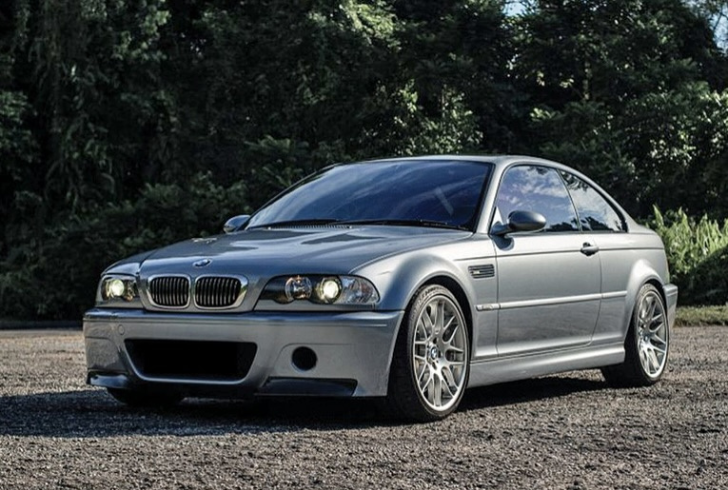
Not every luxury car appreciates, yet certain models break the trend. Limited production, strong reputations, and enthusiast demand can push values upward. Timing and condition matter most.
The BMW E46 M3 serves as a strong example. Clean, low-mileage versions nearly doubled in value over five years. Prices rose from about $16,750 in 2020 to over $31,000 today. Similar stories appear with rare performance models that balance daily usability and precision engineering.
Smart Picks Worth Watching in 2026
Several used luxury cars stand out for comfort, features, and pricing:
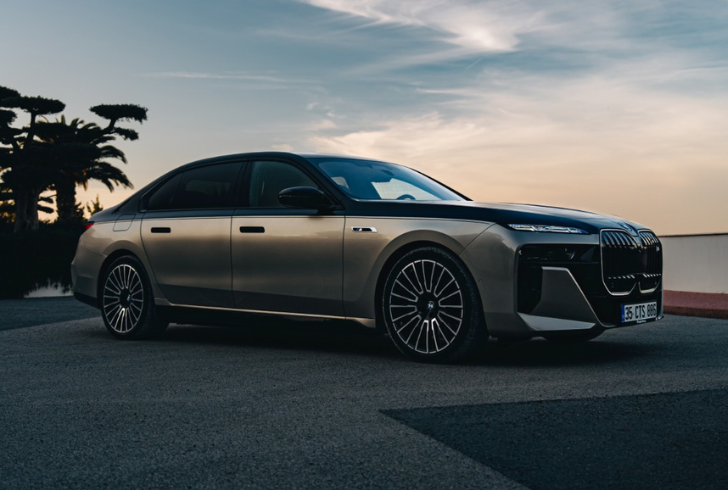
1. 2017 BMW 740i 7 Series with strong power and refined ride
2. 2018 Lincoln Continental Select offering classic comfort
3. 2019 Jaguar XJ R-Sport blending performance with elegance
4. 2020 Lexus ES 350 known for reliability and smooth driving
5. 2021 Mercedes-Benz S-Class delivering flagship innovation
Each option delivers premium value without the shock of new-car pricing.
Pre-owned luxury cars align comfort, performance, and value in today’s market. Because depreciation works in the buyer’s favor, premium ownership now feels realistic. At the same time, insurance savings and lasting build quality add confidence.
As the market evolves, smart buyers continue to choose refinement without overspending, and that trend shows no sign of slowing.