

European luxury stocks came under renewed pressure Thursday as investors questioned how quickly the sector can recover. Weak sales trends, cautious forecasts, and limited signs of stronger spending among wealthy shoppers continue to weigh on major luxury brands.
LVMH, one of the sector’s key benchmarks, fell 2.3%, pushing its share price to its lowest level since 2020. French luxury groups Hermes and Gucci-owner Kering each lost about 3%.
Other major European names also declined. Brunello Cucinelli, Richemont, and Burberry recorded losses ranging from 1% to 2%.
The selling reflects broader concerns that the luxury recovery is taking longer than expected. Many companies have dealt with slower sales and weaker earnings for several years, leaving investors cautious about a meaningful rebound.
Luxury Sector Remains Down
The STOXX Europe Luxury 10 index reached its lowest point in almost three months. Its year-to-date decline has reached 19%, even as the broader European market has remained relatively steady.
Several major luxury companies, including LVMH and Kering, have posted double-digit declines this year. Investors had expected consumer demand to improve, but that recovery has yet to develop at the pace markets anticipated.
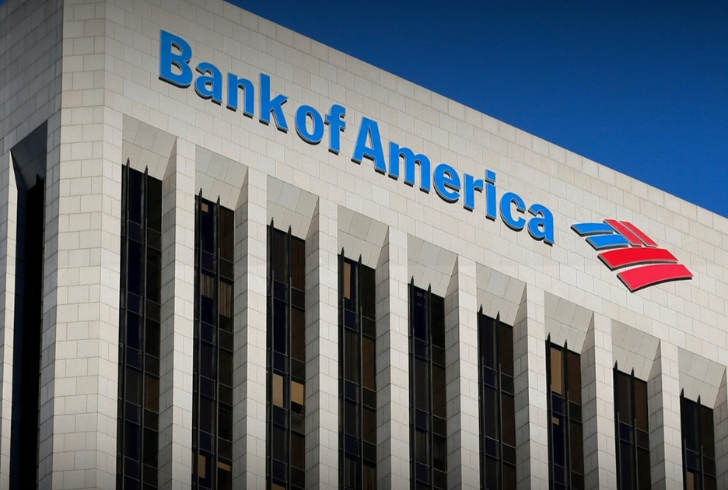
Bank of America analysts also pointed to softer industry data for the third quarter. Their analysis indicated that demand growth slowed by about 3 percentage points from the second quarter, with weakness particularly visible in the United States, Japan, South Korea, and other parts of Asia.
Equita analyst Paola Carboni said luxury valuations now look less demanding, but the sector still faces a fragile backdrop.
“Visibility on the confirmation of similar growth trends in the second half (of the year) is still limited considering the more difficult comparison base and the macro and geopolitical context,” Carboni said.
Luxury stocks may appear cheaper after their declines, but investors are still waiting for clearer evidence of improving demand. Until spending strengthens across major markets, uncertainty is likely to remain a central issue for the sector.