

High jewelry has become one of the strongest-performing segments in the luxury industry. While many luxury categories face slower demand, rare jewelry continues to attract wealthy buyers who value craftsmanship, lasting quality, and tangible assets.
Rising gold prices, strong stock markets, and a growing interest in collectible pieces have strengthened the category’s appeal. At the same time, leading jewelry houses are introducing remarkable collections and creating exclusive client experiences that reinforce the value of exceptional jewelry beyond fashion.
Strong Market Performance Supports Growth
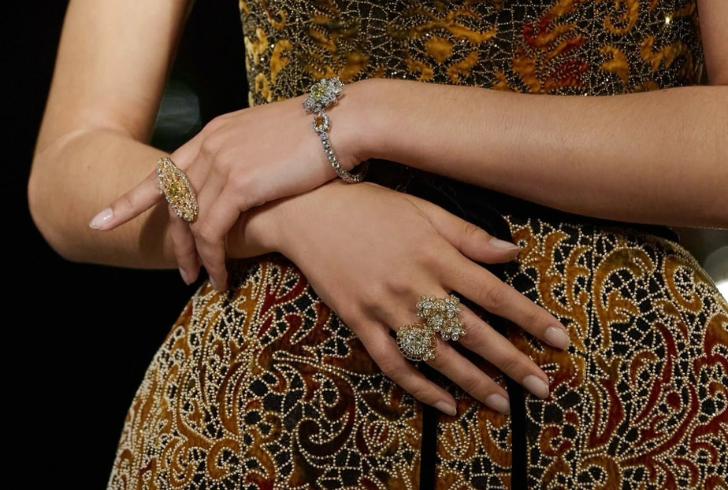
Industry analysts expect high jewelry to maintain its momentum as global wealth continues to expand. According to Anne-Laure Bismuth, Head of Consumer Luxury Goods Research at HSBC, jewelry is outperforming the broader luxury market and is likely to continue doing so. HSBC also remains optimistic about the category’s outlook.
Recent financial results reflect that confidence. For the fiscal year ending March 31, 2026, Richemont reported total sales of €22.4 billion. Its jewelry division, including Buccellati, Cartier, Van Cleef & Arpels, and Vhernier, generated €16.5 billion, representing an 8% increase compared with the previous year.
HSBC also forecasts average organic sales growth of 4.7% across the eight luxury companies it follows during 2026. Bismuth expects Cartier and Van Cleef & Arpels to exceed that average.
Heritage and Craftsmanship Drive New Collections
Many leading jewelry houses continue to draw inspiration from their archives while introducing fresh artistic concepts.
Van Cleef & Arpels presented a high jewelry collection inspired by Egypt, a theme the Paris-based maison has revisited since the 1920s. The collection features nearly 180 creations, including signature ballerina-inspired designs, elaborate jeweled bracelets, and 16 Mystery Set jewels. This patented setting technique, introduced in 1933, places gemstones individually into hidden gold rails, creating a smooth surface where almost no metal remains visible.
Catherine Rénier, Chief Executive Officer of Van Cleef & Arpels, described high jewelry as “the heart” of the maison’s creativity and craftsmanship. She noted, “To do Mystery setting today since the 1930s means that the maison has ensured this transmission from one set of hands to the next.” The statement highlights the importance of passing specialized skills across generations rather than relying solely on modern production methods.
Lasting Value Sets Jewelry Apart
Unlike many luxury fashion products, high jewelry benefits from the lasting value of precious metals and gemstones. HSBC’s luxury research team has tracked pricing across luxury goods since 2019 and found that prices for selected soft and hard luxury products have increased by more than 50% in nominal terms. Jewelry, however, has shown greater pricing stability because longer product development cycles leave less room for frequent pricing adjustments through new product launches.
This distinction has become more noticeable as consumers compare jewelry with other luxury purchases.
Nicolas Luchsinger, Chief Executive Officer of Buccellati, explained, “For a handbag or accessory today, you can spend it on one, two or even three pieces of jewellery.” The company introduced its Serenissima high jewelry collection in June, inspired by Venice. Buccellati produces a major high jewelry collection every two years, complemented by capsule collections between those launches.
Luchsinger also pointed to rising gold prices as another reason buyers increasingly view fine jewelry as a valuable asset. Although higher material costs affect production, he observed that widespread attention on gold prices has encouraged clients to recognize jewelry as an investment rather than simply a luxury purchase.
Global Uncertainty Is Changing Buying Behavior
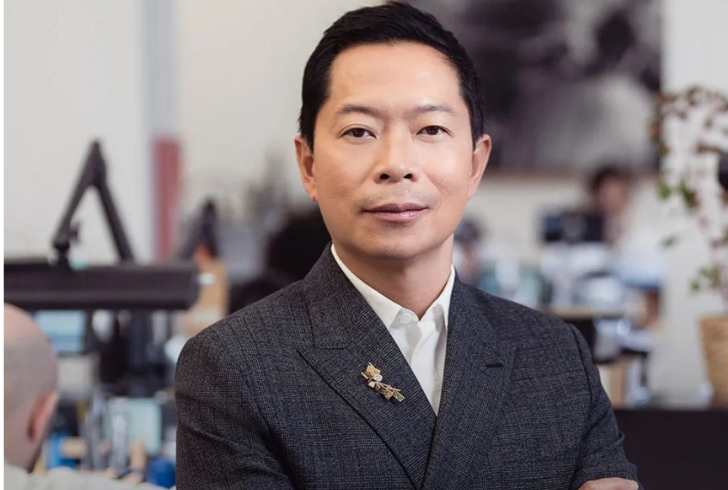
Economic uncertainty has influenced how affluent consumers approach luxury spending. Rather than focusing only on seasonal trends, many buyers now favor pieces that combine artistic value with lasting worth.
Charles Leung, Chief Executive Officer of LVMH-owned Chaumet, believes this trend has strengthened the high jewelry market. He said, “In an era marked by increasing global uncertainty, the high jewellery sector demonstrates a remarkable resilience.” He added, “High jewellery is inherently tied to the concept of a ‘safe haven’. In uncertain times, clients look for tangible assets and meaningful purchases. As Chaumet’s history shows, today’s creations represent tomorrow’s heritage.”
Chaumet introduced its latest high jewelry collection, “A Journey Through Nature,” in April at the 12th-century Abbaye des Vaux-de-Cernay near Paris. The launch reflected the growing emphasis on presenting collections in settings that reinforce history, artistry, and exclusivity.
The U.S. Market Drive Luxury Spending
The United States remains one of the strongest luxury markets. According to HSBC, the country’s “wealth effect” continues to support spending among affluent consumers.
Bismuth explained that luxury consumption closely follows stock market performance. She noted, “There is a high correlation between the consumption of luxury products and stock market performance. The equity stock market is trading close to record highs, so that’s why the luxury sector is doing especially well in the US.”
As financial markets remain strong, luxury brands continue to benefit from increased confidence among wealthy consumers, particularly those interested in acquiring rare and collectible jewelry instead of trend-driven fashion accessories.
Creativity Shapes the Future of High Jewelry
Creative design continues to influence the direction of high jewelry, with many luxury houses using exclusive collections to introduce ideas that later appear across fine jewelry, watches, and other product categories.
Piaget presented “Colours of Extraleganza,” the final chapter of its high jewelry trilogy, featuring 37 one-of-a-kind creations centered on vibrant gemstones and intricate gold craftsmanship. The collection debuted on the French Riviera, with additional pieces scheduled for release later in the year.
Benjamin Comar, Chief Executive Officer of Piaget, said, “High jewellery was having a moment,” adding that customers increasingly seek products that reflect “craftsmanship, transmission and longevity.” He also described high jewelry as Piaget’s “lab of creation,” explaining that the category allows designers more time to develop unique concepts that later influence collections across the brand.
Personalized Client Experiences
Exclusive experiences have become just as important as the jewelry itself. Luxury houses now invest in private launches, carefully curated events, and intimate meetings designed for ultra-high-net-worth clients.
Anne-Laure Bismuth noted that brands are competing for attention through immersive experiences as much as through new collections. She explained, “These companies are competing for the attention of ultra-high-net-worth individuals and affluent consumers, where the consumption lies.” According to Bismuth, in-store experiences have become a key part of attracting and retaining clients.
Buccellati’s first dedicated high jewelry launch in Venice reflected this approach. Six members of the Buccellati family attended the event, including representatives from the third and fourth generations, along with two designers.
Nicolas Luchsinger explained that allowing designers to meet directly with clients creates a personal connection. He said designers can even sketch custom pieces during conversations, giving collectors exclusive access to both the creative process and the family behind the brand.
Rare Gemstones Lead New Collections
Several luxury houses introduced collections centered on exceptional gemstones and their historic design traditions.
Dior selected Venice for the presentation of “Diorissima,” a collection featuring 141 unique high jewelry creations inspired by nature and the cosmos. The pieces reflected the house’s couture heritage and were showcased alongside haute couture designs created by Dior Creative Director Jonathan Anderson.
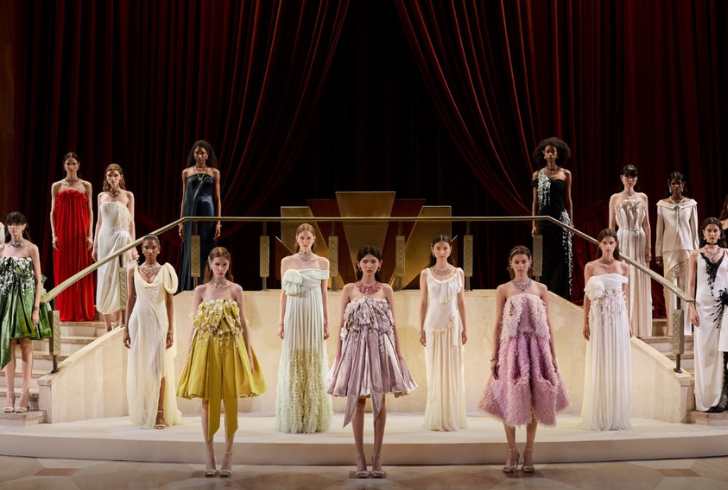
Louis Vuitton traveled to Marrakech to introduce its 110-piece “Mythica” collection. During the presentation, Chairman and Chief Executive Officer Pietro Beccari described the collection as an invitation to travel, echoing one of the brand’s defining themes. He also emphasized the rarity of gemstones that formed deep within the earth over millions of years, reinforcing the importance of exceptional stones in modern high jewelry.
Tiffany & Co., acquired by LVMH in 2019, has reported record-breaking high jewelry sales in recent years. Its “Hidden Garden” collection highlights rare gemstones, including Brazilian Paraíba tourmalines and black opals. Victoria Reynolds, Tiffany’s Chief Gemologist, explained that Paraíba tourmalines have been especially popular because of their distinctive electric Tiffany Blue color.
The Value of Rarity Continues to Grow
Independent jeweler Pragnell has also expanded its high jewelry business by emphasizing provenance and craftsmanship. The sixth-generation family company, based in Stratford-upon-Avon, traces its jewelry-making history back 170 years. Instead of large launch events, Pragnell meets clients through private trunk shows in destinations such as Palm Beach and the Middle East.
Its Mine to Masterpiece initiative follows important gemstones from their natural state through every stage of creation until they become finished jewelry.
Managing Director Charlie Pragnell believes rarity now extends beyond precious materials. He said, “There’s a global shift of what rarity is, and that is most astute and most recognised at the top of the market. The most discerning buyers are understanding this more and more.” As artificial intelligence becomes more common across industries, handcrafted artistry and human creativity continue to make exceptional jewelry even more desirable.
High jewelry continues to outperform much of the luxury market, driven by strong financial markets, rising interest in tangible assets, and growing demand for rare gemstones. Established jewelry houses remain competitive by combining exceptional craftsmanship with exclusive client experiences, while buyers increasingly value rarity, authenticity, and enduring worth.