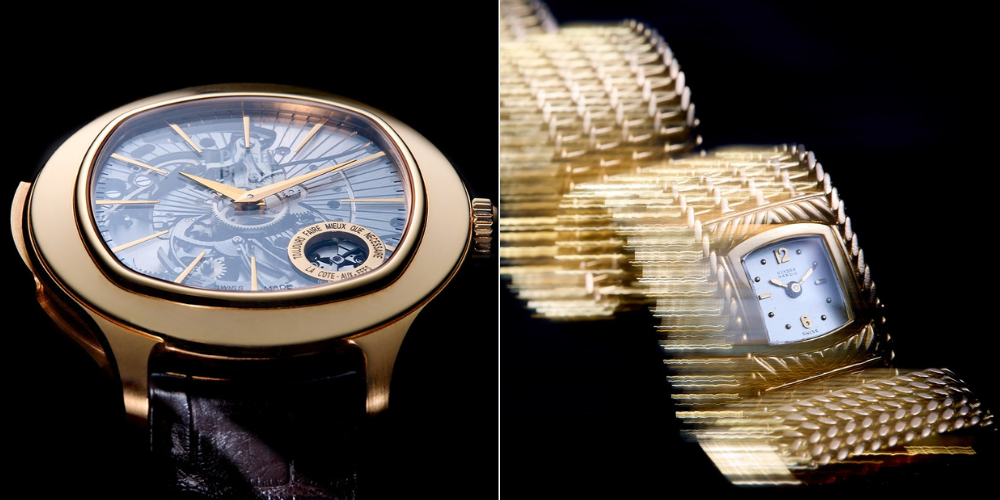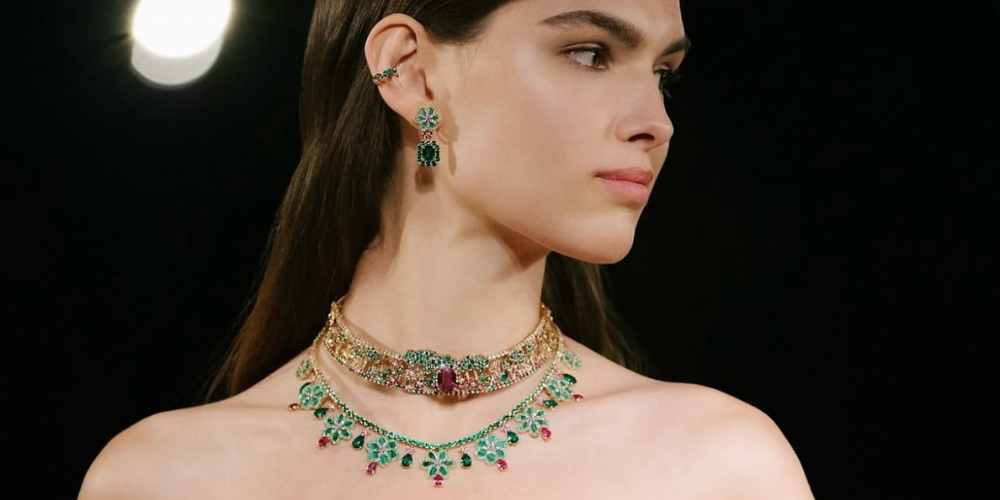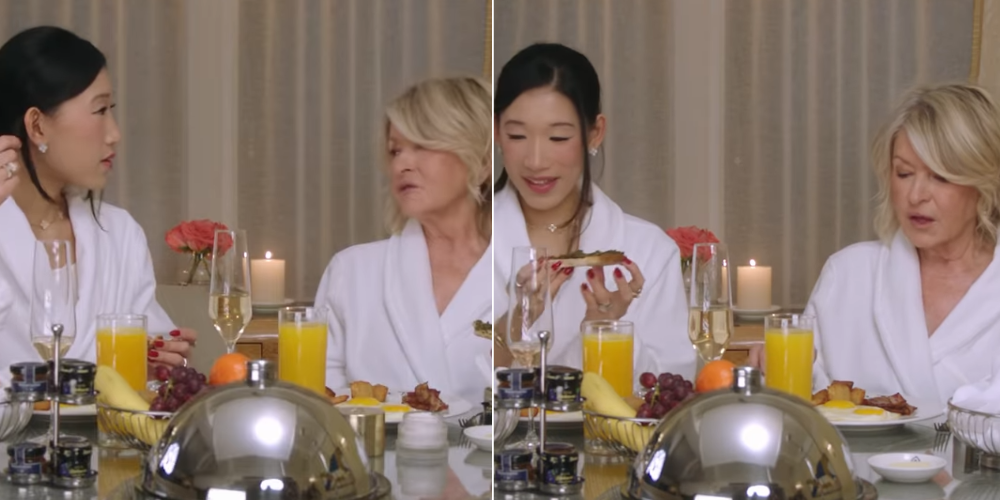
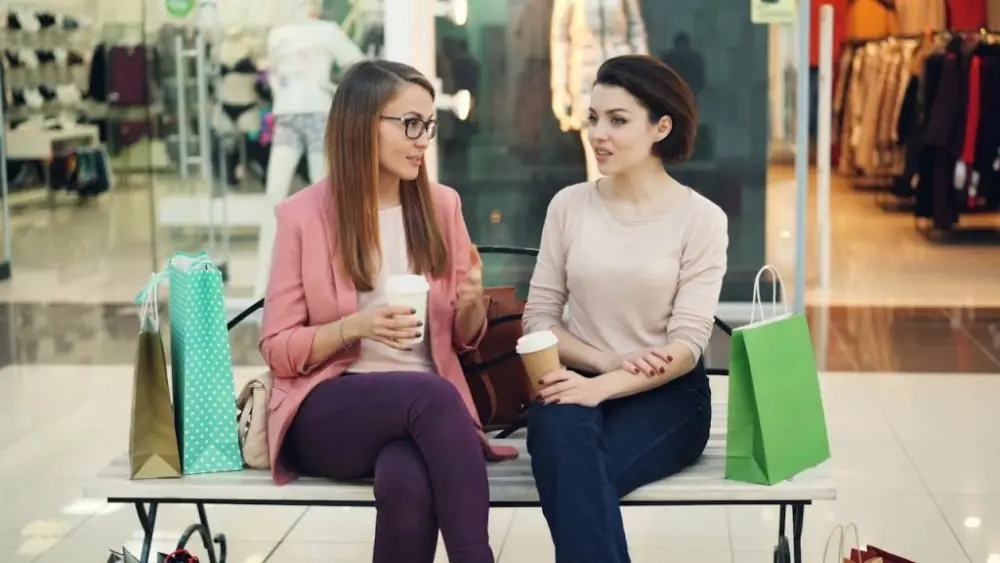
Luxury used to mean status, price tags, and quiet exclusivity. That formula no longer works the same way. Gen Z, who make 25% of the world’s population, is changing what luxury looks like, feels like, and stands for.
This shift is not small or temporary. It is a deep reset driven by values, money habits, and digital behavior. Luxury brands are adjusting, but the process is still unfolding.
Values First, Status Second
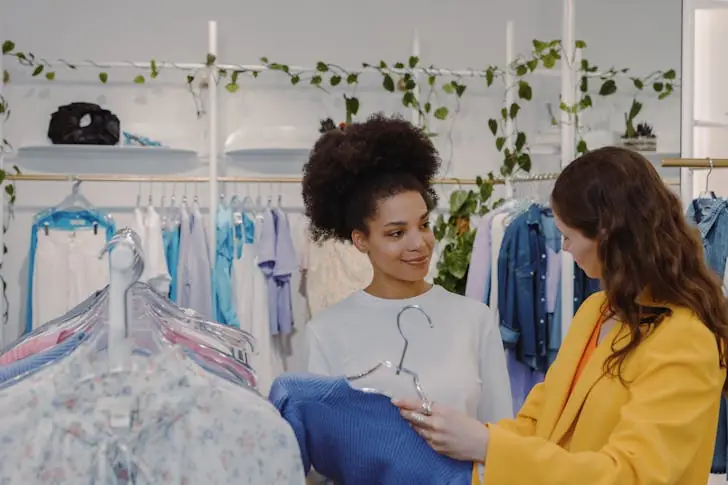
Data shows that 81% of Gen Z luxury shoppers are willing to pay more for sustainable products. This shift comes from real pressure. Many young people entered adulthood during economic instability and social stress. They think carefully about what they support and where their money goes.
A luxury bag alone does not impress them. Running a marathon, joining a premium fitness club, or investing in self-growth feels more meaningful. Luxury now connects to identity, not display.
Spending Smart, Not Less
It would be wrong to assume Gen Z avoids luxury. They still spend, and in some cases, they spend faster than older groups did at the same age. The difference lies in how they approach it.
Gen Z prefers smaller, lower-risk purchases. Mini products have become a smart entry point. Around 40% of young consumers try premium brands through these smaller options first.
This behavior signals caution rather than disinterest. They prefer to try before committing. A mini fragrance or skincare sample gives them room to experiment without financial regret. At the same time, the luxury market has contracted, with customer numbers falling from 400 million to roughly 335–345 million in 2025. Gen Z is a key driver of this shift, reshaping expectations faster than many brands can respond.
Yet the long-term outlook remains strong. By 2030, Gen Z is expected to account for 25% of luxury spending. The potential is significant, but only for brands willing to evolve.
Experiences Beat Possessions

Sam / Pexels / Luxury is increasingly defined by experiences. For Gen Z, meaning matters more than ownership.
A global travel study found that 88% of Gen Z and millennials plan to maintain or increase travel spending in 2026. When budgets tighten, they tend to reduce shopping first, not experiences.
This shift is already reshaping the luxury landscape. Experiential luxury has grown by 8.7% year over year, outpacing traditional goods. The appeal is no longer just ownership—it’s meaning and immersion.
Luxury brands are adjusting by moving beyond products alone. Masterclasses, private events, and curated experiences are becoming central to their strategy.
Digital Is the New Front Door
Gen Z discovers brands where they already spend their time—online. Around 72% of Gen Z luxury shoppers first encounter brands through social media. That reality is changing how luxury communicates.
Livestream shopping is gaining momentum by blending storytelling with real-time engagement. Platforms like Covet by Christos have generated over $200 million in sales through this format. It preserves exclusivity while making it interactive. Customers can ask questions, see products demonstrated, and engage in real time.
Meanwhile, physical stores are evolving into hybrid spaces. Augmented reality, virtual try-ons, and digital consultations are becoming standard.
Shoppers who interact with brands across four or more channels spend 3.2 times more annually, reinforcing the value of a seamless digital-physical experience.