

Success stories often circle around money, but Dr. Dre tells a different story—one where precision, patience, and belief in one’s craft take the lead.
His now-famous line, “I don’t chase money—I try to make the money chase me,” reflects a philosophy built over decades of discipline, risk, and reinvention.
From the streets of Compton to a billion-dollar fortune, his journey offers more than numbers—it reveals a method behind sustained success.
A Moment That Almost Changed Everything
In the spring of 2014, a late-night livestream unexpectedly stirred headlines. Actor Tyrese Gibson appeared on Facebook alongside Dr. Dre, celebrating the sale of Beats Electronics to Apple Inc. for $3.2 billion. The excitement was real, but the timing was off.
“The Forbes list just changed,” Gibson said, visibly energized. Dre stood behind him, adding, “The first billionaire in hip-hop, right here from the West Coast.”
The issue? The deal had not officially closed. The premature reveal triggered concern among negotiators and reportedly reduced the final price by $200 million. Even with that cut, Dre walked away with more than $500 million in cash and nearly $100 million in stock, according to estimates from Forbes. At the time, it didn’t secure him a spot on the billionaire list, but it laid the foundation for what would later become a $1 billion fortune.
Hustle Before Headlines
Born Andre Romelle Young, Dre’s early years in Compton, California, were far from the luxury he now enjoys. Raised by a teenage mother and exposed to an unstable home environment during a period marked by gang violence and drug epidemics, survival required resourcefulness.
“I had no problem going to cut grass just to buy shoes,” he once said. That mindset—doing what’s necessary without hesitation—became a defining trait. Even now, despite immense wealth, his motivation remains rooted in creation rather than accumulation.
Money, in Dre’s view, is a byproduct. His attention stays fixed on quality. Whether producing music, designing headphones, or developing a spirits brand, the approach remains consistent—refine until it feels right.
“I’ve always been able to bet on myself,” he explains. “Whatever I do and wherever I go, I know I have my talent with me.”
That confidence didn’t appear overnight. It developed through years of experimentation, setbacks, and an unrelenting focus on output that meets his standards.
From Garage Beats to Cultural Impact
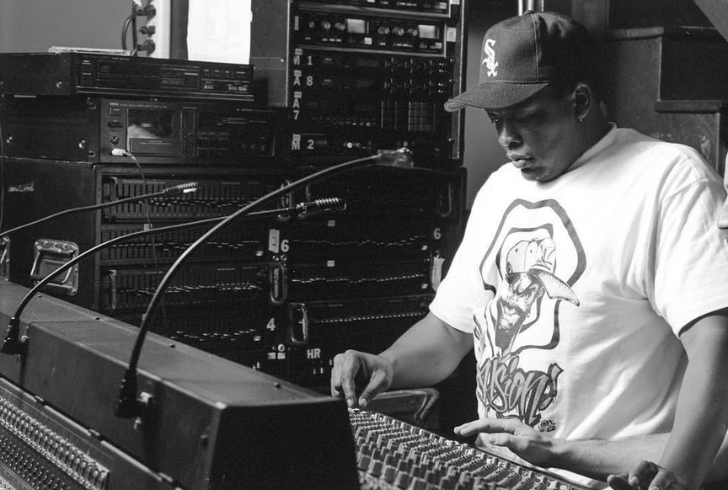
Dre’s introduction to music began in the 1980s, performing as a DJ at a Compton club called Eve After Dark. Wearing surgical scrubs and a mask, he crafted a persona while learning the mechanics of sound. At home, he experimented with equipment purchased from pawn shops, teaching himself production techniques.
That experimentation led to the formation of N.W.A alongside Ice Cube, Eazy-E, and Arabian Prince. Their 1988 album “Straight Outta Compton” shifted the direction of hip-hop, introducing raw storytelling that resonated across the country despite limited radio play.
The group’s legacy later reached mainstream audiences through the film “Straight Outta Compton,” further cementing its cultural influence.
Working with Dre often means waiting. His collaborators understand that timelines come second to quality. Eminem once described the process clearly: time doesn’t exist in Dre’s world. The only question is whether something is ready.
That mindset shaped albums like “2001,” where tracks were refined repeatedly until they met expectations. It also led to difficult decisions, such as scrapping the long-anticipated album “Detox” after years of development.
“Perfectionist is sometimes just a word I use to buy time,” Dre admitted. “If the song isn’t right, it’s not going out.”
Building Careers That Define Eras
Dre’s influence extends far beyond his own discography. He played a central role in launching and shaping the careers of major artists, including Snoop Dogg, Eminem, 50 Cent and Kendrick Lamar.
His ability to identify talent and refine sound turned Aftermath Entertainment into a powerhouse label. The partnership with Jimmy Iovine at Interscope Records proved especially important during this phase.
When Eminem’s demo reached Iovine through an intern, Dre recognized something others had overlooked. Their first session produced “My Name Is,” a track that introduced Eminem to the world and marked the beginning of a defining collaboration.
Business Instincts
Dre’s transition from music to business didn’t follow a typical path. In 2006, a casual conversation with Jimmy Iovine shifted his focus away from endorsements and toward product creation.
“Forget sneakers. Let’s do speakers,” Iovine suggested.
That idea became Beats Electronics. At the time, most consumers relied on basic earbuds bundled with devices. Beats offered something different—premium headphones with a distinct sound profile and strong visual identity.
The strategy worked. Sales grew from $180 million in 2009 to $860 million in 2012. High-profile placements, including appearances during the 2008 Olympics supported by LeBron James, turned the brand into a cultural symbol.
Beats expanded into streaming with the acquisition of MOG, later launching Beats Music. The move positioned the company as an attractive acquisition target. When Apple finalized its purchase, it marked the largest acquisition in the company’s history.
Dre and Iovine joined Apple’s executive team, contributing to the development of Apple Music. Dre exited the company in 2018, later selling most of his stock.
By the time his divorce settlement with Nicole Young concluded in 2021, he had secured substantial liquidity while maintaining long-term wealth.
Reinvention Through New Ventures
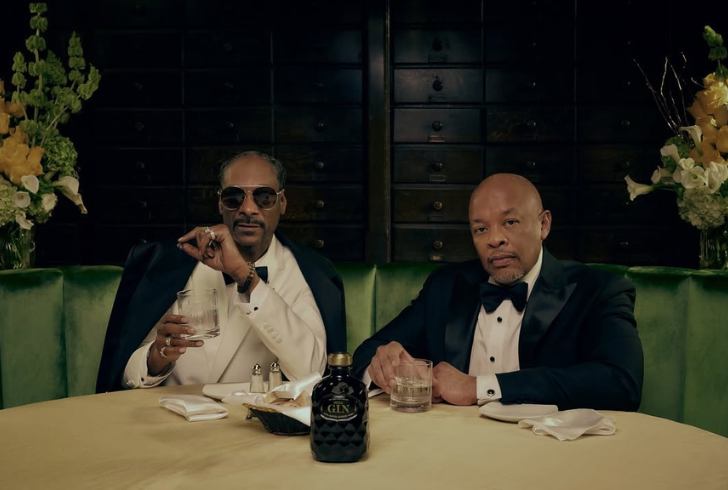
Even after decades in the spotlight, Dre continues to explore new ideas. One of the latest involves a spirits brand inspired by his 1999 track “Still D.R.E.” The product, Still G.I.N., reflects the same meticulous approach seen in his music and hardware ventures.
Working alongside Snoop Dogg and Jimmy Iovine, Dre studied distillation processes, sampled multiple brands, and refined the formula through 15 iterations before approving the final version. The result emphasizes citrus and spice, offering a distinct profile compared to traditional gin.
The brand entered a growing ready-to-drink market, which reached approximately $3.8 billion in global sales. Partnerships with companies like Applebee’s helped expand distribution across thousands of locations.
Discipline Behind the Scenes
Despite his wealth, Dre maintains a structured routine. Mornings often begin with a one-mile swim in his private pool, followed by time in his studio or personal theater. Afternoons include weight training in a full-size gym.
His home in Brentwood, Los Angeles—purchased from Tom Brady and Gisele Bündchen—has been extensively redesigned. Over three years, Dre doubled its size, adding a recording studio, theater, and underground fitness spaces.
Unlike many luxury purchases, this property holds personal significance. “This is the first thing I’ve ever purchased that I’m proud of,” he said, highlighting a rare emotional connection to material ownership.
Today, Dre spends most of his time at home. The property offers everything needed—creative tools, relaxation areas, and privacy. Occasional gatherings with artists or friends break the routine, but solitude remains a preference.
This environment supports ongoing experimentation. During the pandemic, Dre created nearly 400 unreleased tracks, many still in development. Even now, he continues refining ideas, searching for something that surpasses previous work.
“Who knows if something is going to happen to make me come up with the best thing I’ve ever done?” he says. The uncertainty drives him, even after decades of success.
Ownership Lessons Learned Over Time
Early in his career, Dre lacked awareness of ownership structures. He once received only 2% royalties from N.W.A projects, a realization that shaped future decisions.
“When I was younger, I didn’t understand how powerful my talent was,” he reflected.
That lesson influenced later moves, including founding Aftermath Entertainment and negotiating stakes in business ventures. The shift from artist to owner played a major role in building long-term wealth.
Dre’s departure from Death Row Records in 1996 came at a cost. He gave up a valuable ownership stake to distance himself from internal conflicts and escalating tensions in the industry.
The decision proved significant. It allowed him to rebuild under different conditions, eventually leading to partnerships that aligned more closely with his vision.
Jimmy Iovine once noted that Dre doesn’t create on demand. Inspiration arrives unpredictably, and success depends on recognizing the right moment.
A Career That Continues to Evolve
Even after reaching billionaire status, Dre shows little interest in slowing down. New ideas continue to surface, including potential expansions within his home property and future business ventures.
Looking at unused space beneath his estate, he considers additional construction—not out of necessity, but curiosity. The idea of creating something new remains appealing.
“I know there’s something I can do with it,” he said, reflecting a mindset that prioritizes possibility over completion.
Dr. Dre’s journey offers a clear pattern: focus on the work, refine relentlessly, and let results follow. From early struggles in Compton to shaping global music culture and building billion-dollar businesses, each step reflects deliberate choices rather than quick wins.
His approach avoids shortcuts. It values patience, ownership, and consistency. Money appears as a result, not a goal.
That perspective continues to guide his decisions today, proving that long-term success often comes from staying committed to the craft rather than chasing the outcome.