
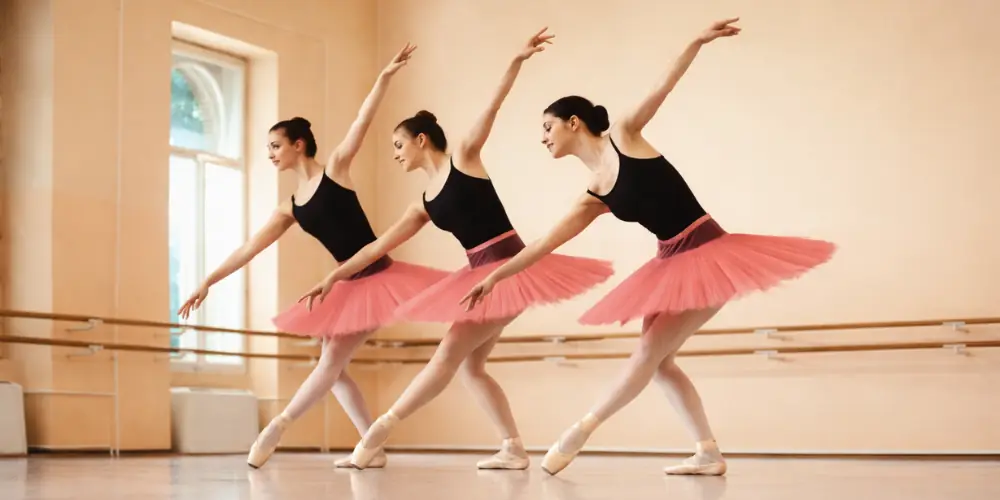
Ballet continues to spark conversation, especially after recent remarks from Timothée Chalamet stirred debate about its relevance. The actor, known for his role in “Marty Supreme,” suggested that “no-one cares” about ballet and opera anymore. That statement quickly drew attention from the performing arts community, prompting a strong and thoughtful response.
At the center of this response is Birmingham Royal Ballet (BRB), led by chief executive officer Paul James. Rather than dismissing the criticism, James framed it as an opportunity. According to him, the remarks encouraged ballet enthusiasts to speak up and express why the art form still holds value. He pointed out that a passionate and active audience continues to support ballet, proving that interest remains alive.

Chalamet made his comments during a discussion with Matthew McConaughey at the University of Texas in February. The conversation focused on preserving cinema, yet it shifted when Chalamet said he would not want to work in ballet or opera if they needed to be “kept alive” despite declining interest.
While he expressed respect for those involved, the statement raised concerns about how traditional art forms are perceived today.
A Demanding Craft with Deep Roots
Ballet, as described by Paul James, requires intense dedication. He compared ballet dancers and opera singers to elite athletes, noting that both commit years of disciplined training to reach excellence. This perspective highlights ballet not just as performance art, but as a physically demanding discipline.
The history of BRB adds context to its importance. Founded in 1946 as the Sadler’s Wells Theatre Ballet, the company later relocated to Birmingham in 1990. Over decades, it has built a strong reputation, both locally and internationally.
Performances regularly attract audiences of over 1,500 people per show, and international tours continue to perform well.
Breaking the “Elitist” Label
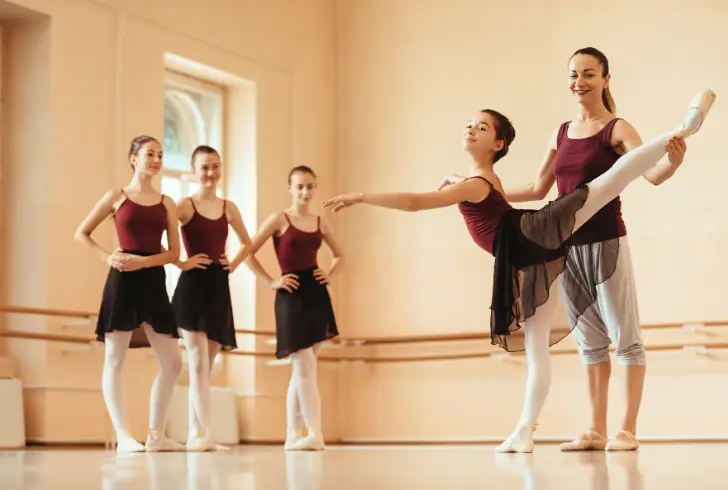
Despite its popularity, ballet often faces criticism for being exclusive. James addressed this directly, explaining that audiences at BRB performances come from all backgrounds. The diversity of attendees reflects a broader appeal than commonly assumed.
Ballet’s strength lies in its ability to tell stories without dialogue. Through music and movement, it communicates emotion in a way that feels immediate and universal. This quality keeps it accessible, even to those new to the art form.
The debate sparked by Chalamet’s comments reveals a larger cultural question about relevance. Yet attendance numbers and community engagement suggest ballet continues to connect with audiences. The emotional depth, discipline, and storytelling remain compelling reasons for its endurance.
Ballet stands firm as a meaningful art form, supported by dedicated performers and engaged audiences. While opinions may differ, its cultural value and emotional impact remain clear. Conversations like this only reinforce its place in modern entertainment.